


How to Develop Effective Safety Protocols in Australia
Assessing Current Safety Measures
Site Visits and Inspections
Ensuring the safety of construction sites is essential, especially in vibrant locations like the construction sites in the Sydney CBD. Regular site visits and inspections are crucial for maintaining the highest safety standards. These visits allow you to evaluate the current measures in place and identify areas that require immediate attention. By closely examining safety practices, you can proactively address potential hazards, ensuring the well-being of all workers on-site.
Employee Feedback Sessions
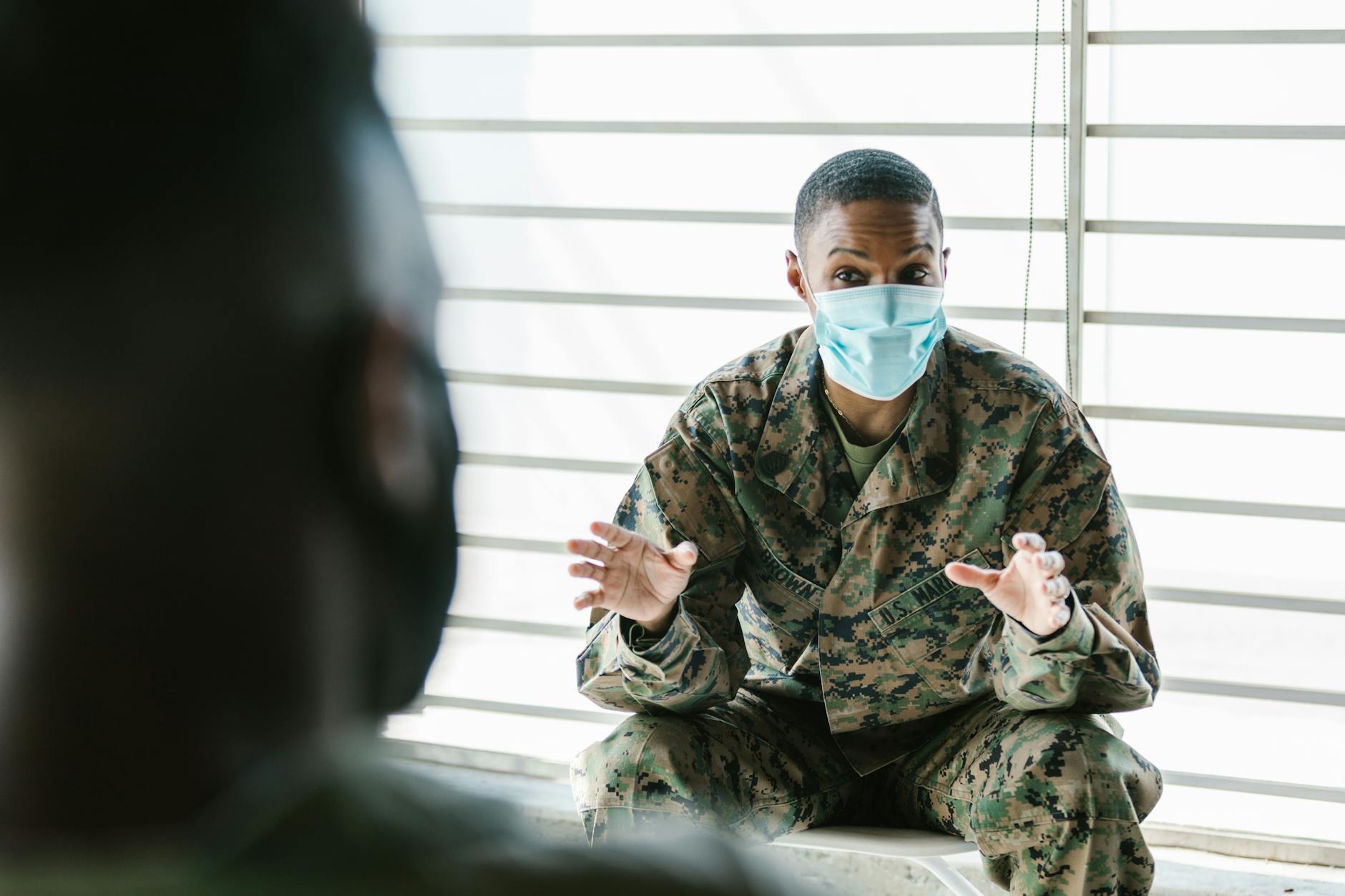
Engaging with employees through feedback sessions is vital for understanding the practical challenges they face daily. Initiating open conversations can uncover unanticipated safety issues that might not be apparent during inspections. This collaborative approach not only bolsters trust but also empowers employees, as they feel their input is valued in shaping the safety policies that affect them directly.
Analyzing Past Incident Data
Reviewing past incident data provides valuable insights into recurring patterns and areas where safety measures may have previously failed. By comprehensively analyzing this data, you can focus on preventing similar incidents in the future. Utilising detailed records will help in designing and implementing more effective safety protocols and policies. It's also essential to remember the legal aspects, such as consulting with car accident lawyers melbourne in cases of workplace accidents.
Regular evaluations like these ensure a safer and more secure environment for all involved, reducing the likelihood of workplace injuries. Engaging lawyers no win no fee arrangements can aid in understanding your legal standing without incurring immediate costs.
Identifying Key Safety Risks
Asbestos Exposure Concerns
With asbestos being a constant concern at construction sites, it is critical to incorporate rigorous monitoring and protective measures to mitigate health risks. As an OHS consultant, I often collaborate with key stakeholders to assess and implement strategies for identifying potential asbestos exposure workers compensation lawyers melbourne. Early detection systems, like environmental sensors, are vital for monitoring air quality. When employed alongside protective equipment and thorough training, these technologies significantly reduce exposure risks at construction projects in the Sydney CBD.
Equipment and Machinery Hazards
Another major area of focus is the safety surrounding equipment and machinery. Modern construction tools come equipped with advanced safety technologies, including automated shut-off systems and real-time monitoring capabilities. These innovations help prevent accidents and ensure that any mechanical failures are promptly addressed. Consistent equipment checks, paired with detailed safety workshops, improve not only adherence to safety norms but also the practicality of those protocols on the ground. Engaging with melbourne lawyers can provide an extra layer of assurance that safety measures stand up to scrutiny.
Environmental and Chemical Risks
Environmental hazards, such as chemical spills and hazardous materials, require established protocols that are continuously updated in accordance with industry best practices. In my experience, leveraging real-time data analytics can be instrumental in predicting and addressing these risks before they escalate. Participating in industry forums at the University of Sydney allows professionals to discuss emerging technologies and methodologies that make compliance more manageable and effective at mitigating environmental dangers. Through such forums, we can better empower our workforce with the knowledge they need to maintain safety standards effectively.
Developing Comprehensive Protocols
Creating robust safety protocols is essential for the welfare of workers and legal compliance in construction. One of the primary steps is establishing clear guidelines that align with industry standards. These should be detailed and easily accessible to ensure everyone on the site knows what is expected of them. Regular updates are crucial to adapt to changes in safety technology and regulations.
Integrating Latest Technologies
Leveraging cutting-edge technology can significantly enhance safety measures. Wearable devices equipped with sensors detect hazardous conditions in real-time, allowing immediate action to prevent accidents. Drones provide aerial views of construction sites for better monitoring and risk assessment. These innovations not only improve safety but also streamline operations, an idea frequently showcased at safety exhibitions in venues like ICC Sydney.
Legal Compliance and Updates
Staying abreast of legal developments is vital, particularly concerning asbestos claims and related liabilities. Compliance with these laws protects your organisation from legal repercussions and enhances trust with employees. It's crucial to participate in industry forums, such as those held at the University of Sydney, to gain insights into legislative changes and best practices for safety management.
By focusing on comprehensive protocols, the construction sector can minimise risks and foster a culture of safety. Such proactive measures will empower professionals like Liam to create a more secure work environment for everyone involved.
Training and Implementation
Conducting Safety Workshops
As an OHS consultant, one of the primary aspects of my role involves organizing safety workshops aimed at fortifying safety protocols. These workshops offer hands-on learning experiences where construction workers can grasp the critical safety measures necessary for high-risk sites. Incorporating insights from recent safety exhibitions at the ICC Sydney, I tailor each session to reflect the latest trends in safety technology and compliance. This includes practical applications and demonstrations of new safety equipment and digital monitoring tools.
On-Site Training Assessments
Equally crucial is the implementation of on-site training assessments. These evaluations allow me to gauge the effectiveness of previously conducted safety workshops. By consistently assessing these training sessions at various construction sites across the Sydney CBD, I ensure that employees don't only attend but actively engage in adopting the safety measures. It's about reinforcing a safety-first mentality through practical demonstrations and interactive sessions that highlight the latest OHS advancements.
Continuous Monitoring Systems
Maintaining a culture of safety calls for robust continuous monitoring systems. These systems enable real-time observation of site conditions and worker compliance, ultimately reducing the chance of safety breaches. By integrating innovations like IoT-based sensory devices, I can track environmental factors and machinery performance with precision. Such developments not only align with Australia's rigorous safety standards but also support workers' health by minimizing exposure risks, particularly those related to asbestos. In situations where health repercussions occur, consulting a mesothelioma lawyer becomes a necessary step for affected workers.
Addressing Common Safety Mistakes
Overlooking Minor Hazards
In my years of experience navigating construction sites across Sydney CBD, a prevalent issue is the tendency to dismiss seemingly minor hazards. These can escalate quickly, leading to severe incidents that jeopardise not only worker wellbeing but also project timelines. It's essential to embrace a proactive mindset by addressing these hazards promptly, even as seemingly trivial as a stray cable or an unmarked elevation. Incorporating practices such as routine safety audits and desk-based risk assessments can drastically mitigate overlooked risks.
Inadequate Employee Engagement
A remarkable observation from industry forums at the University of Sydney is the enduring impact of employee engagement in fostering a robust safety culture. A lapse often noted in site inspections is the inadequate inclusion of workers in discussion and decision-making processes. Every team member should feel comfortable voicing concerns and suggestions. Tools like interactive safety platforms and suggestion apps can enhance engagement and ensure that their insights contribute meaningfully to safety protocols.
Ignoring Regulatory Changes
Given the evolving nature of construction mandates in Australia, particularly around Sydney’s dense urban landscape, ignoring regulatory updates can be fatal. A recent compliance blunder is often attributed to outdated practices that fail to meet new legal standards. Attending safety exhibitions at the ICC Sydney and engaging with regulatory bodies ensures we stay ahead. Being attentive to updates on workplace health and safety standards enhances our operational integrity and cushions against potential liabilities. Remember, vigilance is key, and everyone plays a part in safeguarding a seamless and productive work environment.